
Start a Lodi Residents Search with the Right Custodian
There is no single Lodi roll that names every person at every address. A useful search starts by sorting the clue. A current parcel question belongs with the San Joaquin County Assessor, GIS, and Recorder. A court question belongs with San Joaquin Superior Court. A city permit, council filing, or campaign record belongs with the Lodi City Clerk or the department that made it. A past household may be found in a directory, census schedule, newspaper, or museum collection. Each record answers a narrower question than the phrase “residents directory” suggests.
Ownership is not the same as occupancy. The Assessor can tie an assessee and mailing address to an APN, while a deed names parties to a title transaction. A directory may list one adult, and a voter file is restricted. Renters, unlisted households, protected participants, and people who moved after a record was made may not appear. A careful Lodi residents search keeps those limits beside every result.
The starter sequence below keeps a name, parcel, and time period connected as the search moves from current records to older evidence.
- Write down the full name, known date, spouse, business, cross street, or address. Keep birth and married surnames, initials, suffixes, and diacritics.
- For an address, use the Lodi GIS Property Viewer to capture the situs address, parcel outline, and APN. For a name, begin with the county Assessor or a record set that uses names.
- Use the Recorder index, court party search, state business or license search, and other fitting custodians. Match dates and roles instead of accepting a name alone.
- Move to the Lodi Public Library and San Joaquin County Historical Museum for directory, newspaper, census, map, and obituary clues when the question reaches backward.
- Request the identifiable record from its keeper under the California Public Records Act when an online index is incomplete. Ask for inspection, electronic copies, or paper copies as the office allows.
Where Lodi Resident Records Are Kept
Stockton is the San Joaquin County seat, so many records tied to Lodi are held outside the city. The Recorder-County Clerk handles title instruments, public marriages, fictitious business names, and related filings. The Assessor holds the current property roll and parcel maps. The Registrar of Voters controls voter-file access. Lodi City Clerk Olivia Nashed remains the custodian for city agendas, minutes, contracts, campaign material, and municipal records. These offices form the working spine of a Lodi residents directory, but none is a complete household list.
San Joaquin County Recorder-County Clerk
44 N. San Joaquin St., Suite 260
Stockton, CA 95202
209-468-3939
Recorder information and access
San Joaquin County Assessor
44 N. San Joaquin St., Suite 230
Stockton, CA 95202
209-468-2630
Assessor property information
San Joaquin Registrar of Voters
44 N. San Joaquin St., Suite 350
Stockton, CA 95202
209-468-8683
California voter status check
Lodi’s City Clerk is at 221 W. Pine St., Lodi, with mail to P.O. Box 3006; the published phone is 209-333-6702. The office lists Monday through Thursday hours of 7:30 to 5:30 and every other Friday from 8 to 5. Confirm hours before a counter visit. The county offices publish their own counter schedules, with the Recorder and County Clerk generally open on weekdays and the Assessor listed at 8:30 to 4:30.
Lodi’s 1851 Recorder Trail
The county Recorder advertises research across 168 recorded-document types dating to 1851. That depth makes the index useful for a name, an estate, or a property trail, but it is still a party and instrument index. A deed can show grantor, grantee, vesting, and a legal description. It does not prove who slept at the address. A street address may be absent, so the APN, legal description, prior party, date, and document number matter.
The dynamic San Joaquin County Recorder self-service portal is the first online stop. If an older book, image, or certified copy is not available there, take the instrument number or book and page to the Stockton counter. The research trail can also move by mail or phone where the office supports that request.
County property information shows why the parcel side of a Lodi residents directory must stay distinct from the deed side.
| Recorder field | How it narrows a Lodi search |
|---|---|
| Party / name | Search a surname, variant, entity, or grantor/grantee role. |
| Document number | Returns one known recorded identifier. |
| Document type | Narrows deeds, deeds of trust, liens, releases, maps, or decrees. |
| Recording date | Constrains a common name to a date or range. |
| Book and page | Connects older references to a paper or scanned instrument. |
See the county Recorder’s scope and contact page before relying on a current fee or copy route.
The county’s property-information entry point frames parcel and map access, while owner-name research is available through the office. That split is a useful signal: a free web map can orient a search without becoming a people directory.
San Joaquin County property information supplies the source for the parcel view shown here.
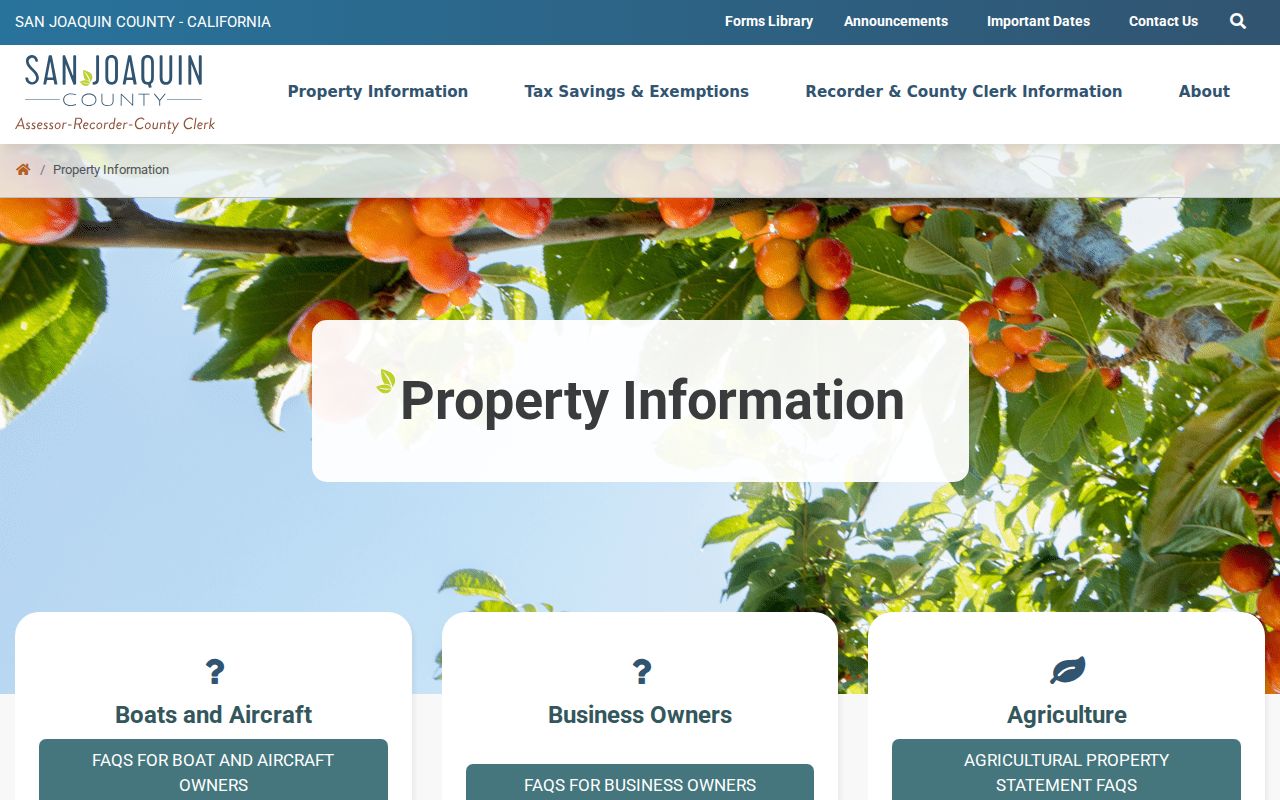
The parcel image is a starting point for APN and map work, not proof of occupancy or a complete list of Lodi residents.
What the California Voter Roll Reveals
California’s Check Your Registration Status service is a self-record tool. An authenticated voter can review registration status, party preference, voting location, and ballot-related status. It is not a public address search for another person. Full voter information is controlled by Elections Code sections 2188 and 2194 and 2 CCR sections 19001 through 19013.
An approved recipient may receive a restricted file for election, scholarly, journalistic, political, governmental, or qualifying record-review work. The San Joaquin County application asks for a wet signature, identification, a detailed purpose, and a security plan. It can cover up to 10 specific voters, while the county file is listed at $68 and review is listed at 7 to 14 business days. Phone, email, date of birth, party, precinct, and participation fields are controlled; driver-license number, Social Security number, and signature are never released.
The voter roll can support an authorized record review, but it cannot be treated as a casual Lodi neighbor directory. That distinction protects both the record and the person behind it.
The California voter status form is the source for this self-check view.
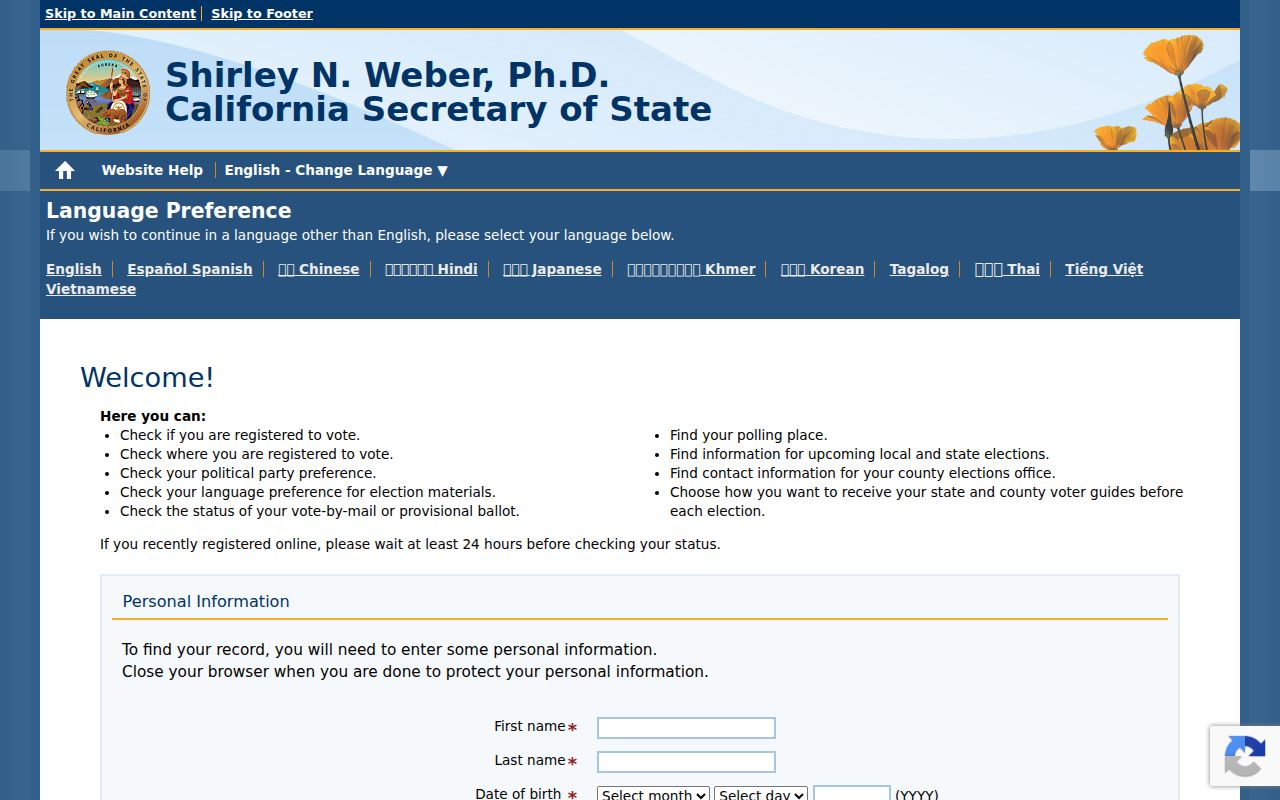
The form shows the narrow public route: verify one’s own registration rather than browse a street.
Today’s Lodi Resident Directory Sources
A current Lodi residents directory is best read as a coverage chart. The Assessor answers a parcel and ownership question. The Recorder answers who signed or received a recorded instrument. The court index identifies parties and case events. The City Clerk portal exposes public municipal business. The library and museum supply older names and addresses. The sources overlap, but their record roles do not.
| Source | What It Can Show | Keeper | Access |
|---|---|---|---|
| Assessor roll and parcel map | Assessee, APN, situs, mailing lead, values | San Joaquin County Assessor | Web map and office research |
| Recorder index | Parties to deeds, liens, releases, maps | Recorder-County Clerk | Self-service portal and counter |
| Superior Court docket | Case number, parties, type, events, hearings | San Joaquin Superior Court | FullCourt, kiosk, or request |
| City Clerk records | Officials, applicants, correspondents, contracts | City of Lodi | Records Portal and CPRA |
| Voter status service | One voter’s own registration details | California Secretary of State | Self-service only |
| Library and museum collections | Directories, newspapers, yearbooks, past addresses | Lodi Library and SJC Historical Museum | Catalog, onsite, or archive request |
Each row supplies a different kind of lead. For one-person work, preserve the record role and compare at least two independent custodians. An assessee may be a trust or entity. A court party may be an attorney, plaintiff, or beneficiary. A directory entry may represent one listed adult rather than every person in a home. The Lodi resident lookup workflow keeps those distinctions visible while a name moves across sources.
- Roll
- An official list maintained for a defined purpose, such as assessment or voter registration.
- Index
- A finding aid for a record; an index line is not always the full document or a certified copy.
- Parcel
- A mapped unit tied to an APN and legal description, not a household count.
- Criss-cross directory
- A printed reverse directory that can move from an address or street to a listed occupant.
Search Lodi Records, Then Use CPRA
The Lodi public-records page directs a request to the city Records Portal, an online California Public Records Act form, email, or an arranged inspection. A useful request names the department, record type, date range, address or APN, and known meeting, permit, or project. The CPRA asks for existing identifiable records. It does not make the City create a new residents directory or answer a research question.
Paper copies are listed at $0.10 per page plus postage. Electronic media can cost actual media and postage. Email or onsite inspection may avoid paper fees. Police and fire reports go to their own departments. Community Development holds the permit and planning trail, while the City Clerk holds agendas, minutes, contracts, campaign statements, Form 700 filings, and public-hearing notices.
The Lodi City Clerk page identifies the municipal custodian and its records duties.
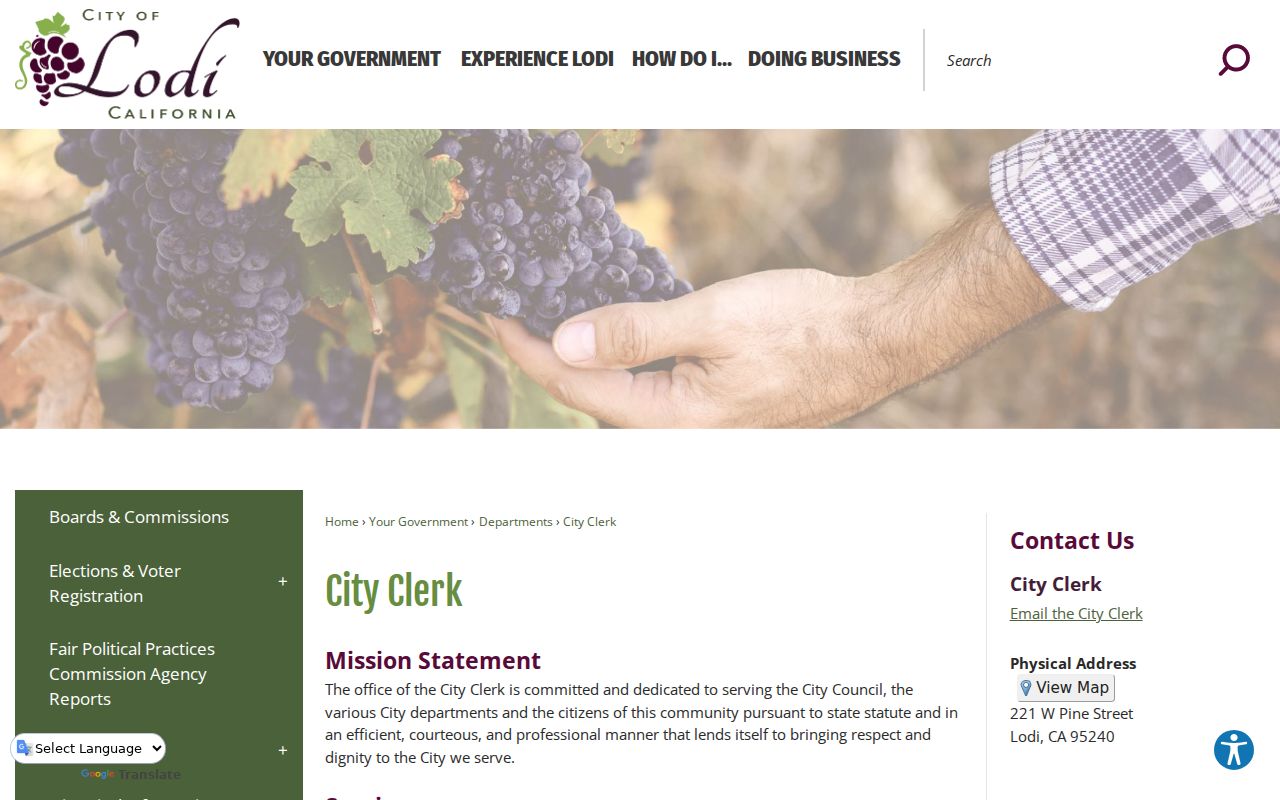
The clerk view belongs to city records, while parcel, deed, and court questions move to county custodians.
Lodi’s public-records instructions are shown in the source image below.
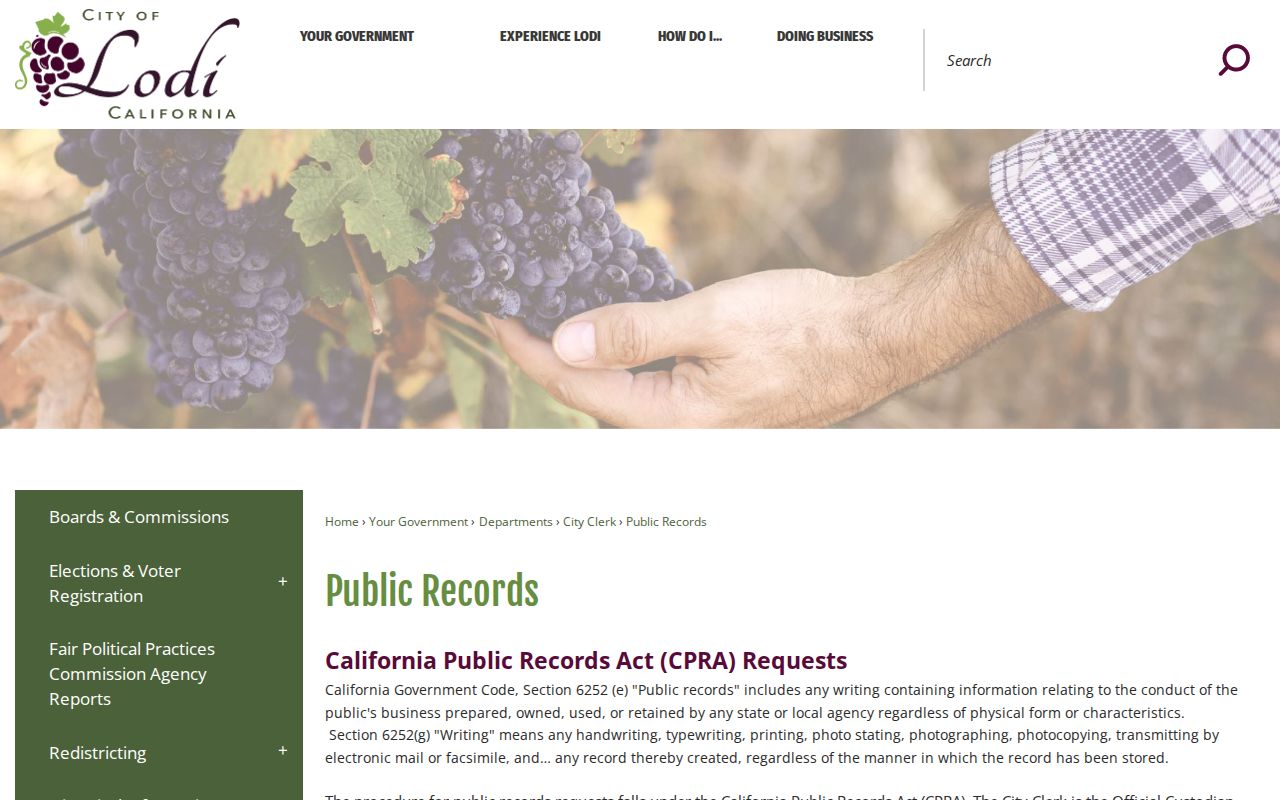
The image is a reminder to name the office that created the record. A city request and a county property search often need to run side by side.
Confirm One Lodi Name Across Roles
A name becomes useful when its role stays clear. Search a land-owning name at the Assessor and Recorder, then compare the legal description or APN. Search a business name at the Secretary of State’s bizfile Online Business Search and check county fictitious business name filings when a local trade name matters. A Department of Consumer Affairs result can show a license status and address of record, but that address may be professional.
The Superior Court’s FullCourt portal can add a case number, party role, filing date, and hearing history. It is not the official record, and a same-name case needs a second clue. The county unclaimed-property search can connect a name to an old city or ZIP, but it does not prove current residence. Keep a short evidence note for each result rather than merging records because the spelling looks close.
Official rolls and commercial reference products also answer different questions. A commercial product may combine public and licensed data, but it can be stale, mismerged, or hard to correct. A county or state custodian owns the source record and can explain its field, date, and correction route.
| Route | Strength | Limit |
|---|---|---|
| Official county, city, court, or state record | Named custodian, defined purpose, source field | Access rules, redactions, date limits, and separate offices |
| Commercial reference product | May gather several public clues in one view | Unclear freshness, mixed identities, fees, and separate opt-out |
Free California Name Trails for Lodi Leads
State tools can add a narrow clue without pretending to be a full Lodi residents directory. The California Business Search accepts an entity number or a name in Keyword, Exact, or Begins With mode. It can return entity status, jurisdiction, addresses, agents, and imaged Statements of Information where available. Alternate spellings matter in a wine and agriculture economy where a registered agent, licensee, vineyard owner, and resident may be different people.
The state business search is one of the free name tools represented here.
A business abstract supports an affiliation check. It does not establish a home address.
The California Department of Consumer Affairs license search can use a board or license type, name, license number, city, or county. Results usually show status, issue or expiration details, and public discipline links. Use the named board when the umbrella search is not enough.
DCA’s license search supplies the source for this second state-level view.
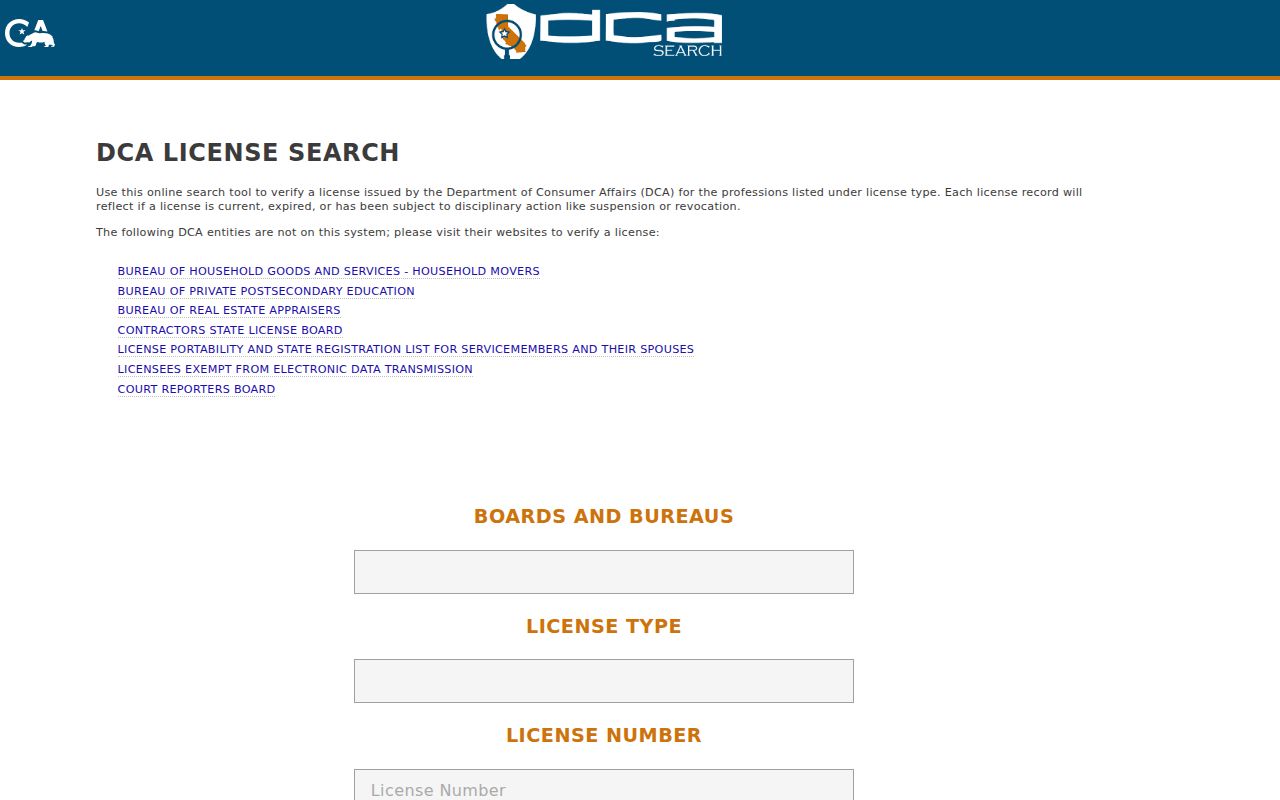
The license record describes a professional status, not a complete resident profile.
For an old name or address pairing, try the Controller’s unclaimed-property search. Last or business name, or a property ID, is required; first name, city, and ZIP can refine a result. A match is a historical lead. Confirm it with a deed, obituary, court filing, or direct custodian record.
California’s free claim search shows the name and place filters used for that limited clue.
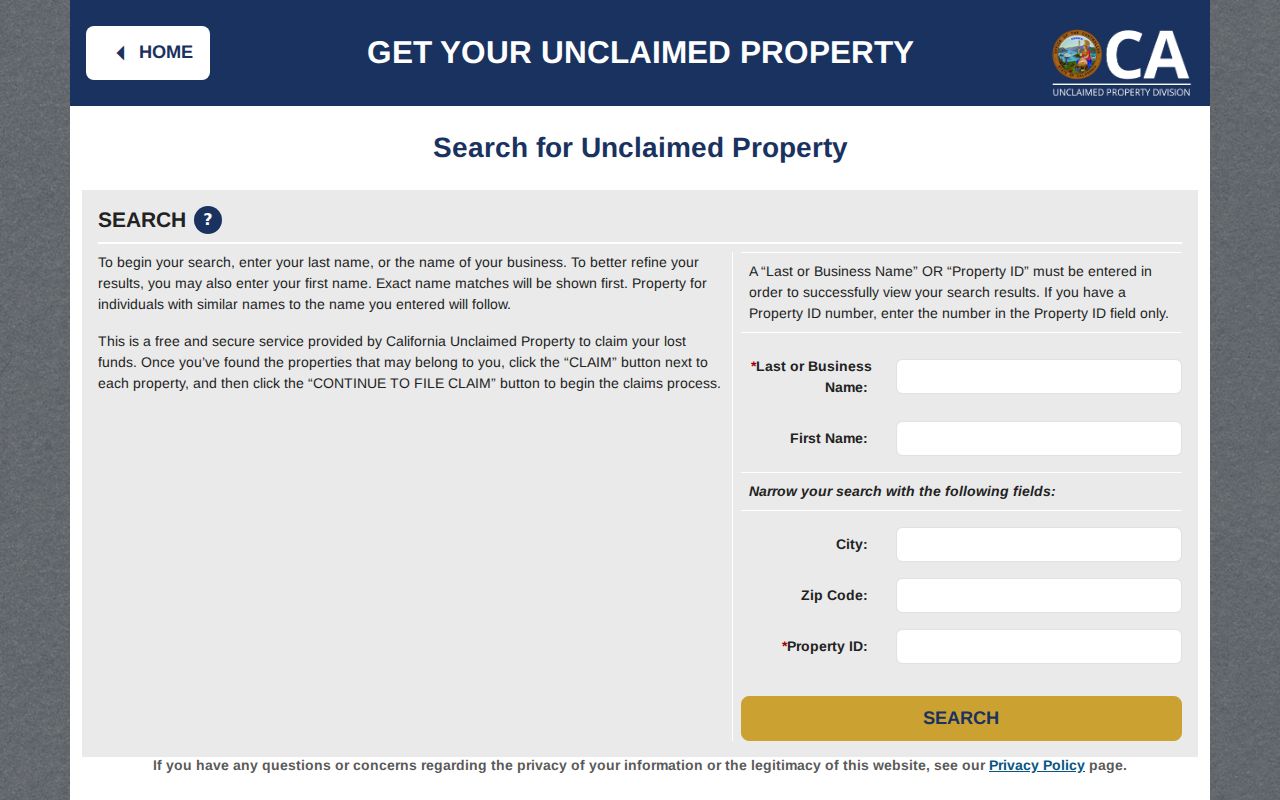
Do not pay a locator before checking the state’s own free search and claim route.
Lodi Court Records Have a 2015 Divide
San Joaquin Superior Court’s FullCourt Enterprise Public Access Portal can return a case number, party names and roles, case type, filing date, status, hearings, and register-of-actions events when the record is remotely exposed. Search by case number when possible. Otherwise use a last name, first name, case type, and filing date range to reduce same-name results.
The court warns that pre-October 19, 2015 criminal registers of action, along with material withheld under Rule of Court 2.507, require onsite viewing or a records request. Stockton has research terminals and a view-room appointment path. The Lodi Branch at 315 W. Elm St. can receive a CR-109 request for branch-held copies. The court lists a $15 search when staff spend more than 10 minutes, $0.50 per page per side for ordinary copies, and separate certification charges.
The public court search illustrates why an online result is only one layer.
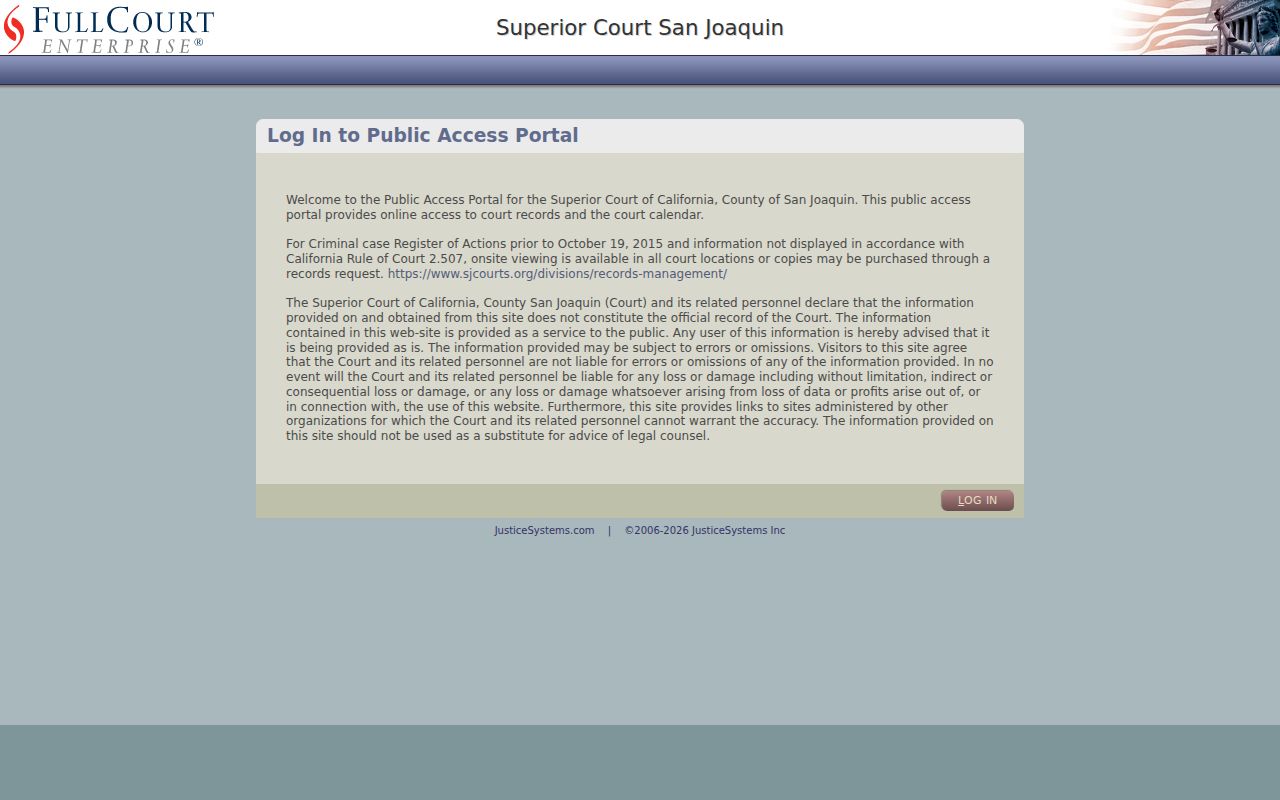
Use Records Management or CR-109 when the web portal stops at an index or a date limit.
Vital Copies and New California Rules
Vital records have their own custody split. The San Joaquin County Recorder holds all years of county birth and death records and public marriages. The County Clerk holds confidential marriages. The local registrar holds current and prior-year births and deaths. Superior Court certifies divorce decrees, while CDPH issues a certificate of record for a divorce rather than the full decree.
California distinguishes an informational copy from an authorized certified copy. An informational copy is marked not valid to establish identity. An authorized birth, death, or marriage copy requires a qualifying relationship or role and a sworn statement; mailed sworn statements must be notarized. The VS 111 birth, VS 112 death, VS 113A marriage, and VS 113B divorce forms collect event and applicant details.
For 2026, CDPH lists fees of $31 for birth, $26 for death, $19 for marriage, and $18 for a dissolution certificate. A no-record result retains the search fee. Starting July 1, 2026, direct CDPH forms replaced third-party online-vendor submission for certified-copy applications. These date-stamped rules make the live forms and fee page worth checking before mailing a request.
California Confidentiality Can Hide a Lead
Safe at Home gives qualifying survivors a substitute mailing address, confidential voter registration, and certain name-change and DMV protections. Government agencies and California courts must accept the designated address in the situations covered by the program. Government Code sections 6205 through 6211 do not erase an old public record, and a protected address should never be treated as a search failure or an invitation to dig elsewhere.
Other blind spots include DMV information restricted by the Driver’s Privacy Protection Act, utility and customer files, library-borrowing data, confidential marriages, sealed adoption files, juvenile and sealed court records, and household members who are not title parties. A commercial compiler may copy a public record, but an opt-out does not change the source record. California privacy rights may provide know, delete, correct, and opt-out routes against covered businesses under Civil Code section 1798.100 and later provisions.
Lawful personal use. Public records can support family history, civic review, estate research, reconnecting, or a safety concern. Do not use a Lodi resident search to stalk, harass, intimidate, or harm anyone. Verify a sensitive result with the custodian and respect every confidentiality rule.
Megan’s Law Is a Narrow Safety Search
The California Megan’s Law Website is a separate, statute-based public-safety source authorized by Penal Code section 290.46. It is updated daily and offers name and map or radius modes within the limits set by law. Its warnings and permitted-use rules matter. A registry result is not a general Lodi residents directory, and the absence of a result proves little beyond that site’s scope.
San Joaquin County Sheriff custody information and the CDCR Incarcerated Person Locator describe different populations, as do federal custody tools. A jail booking is not a conviction. State prison custody is not county jail custody. Keep the source, date, and status attached to any record you save.
The official registry search is the source represented below.
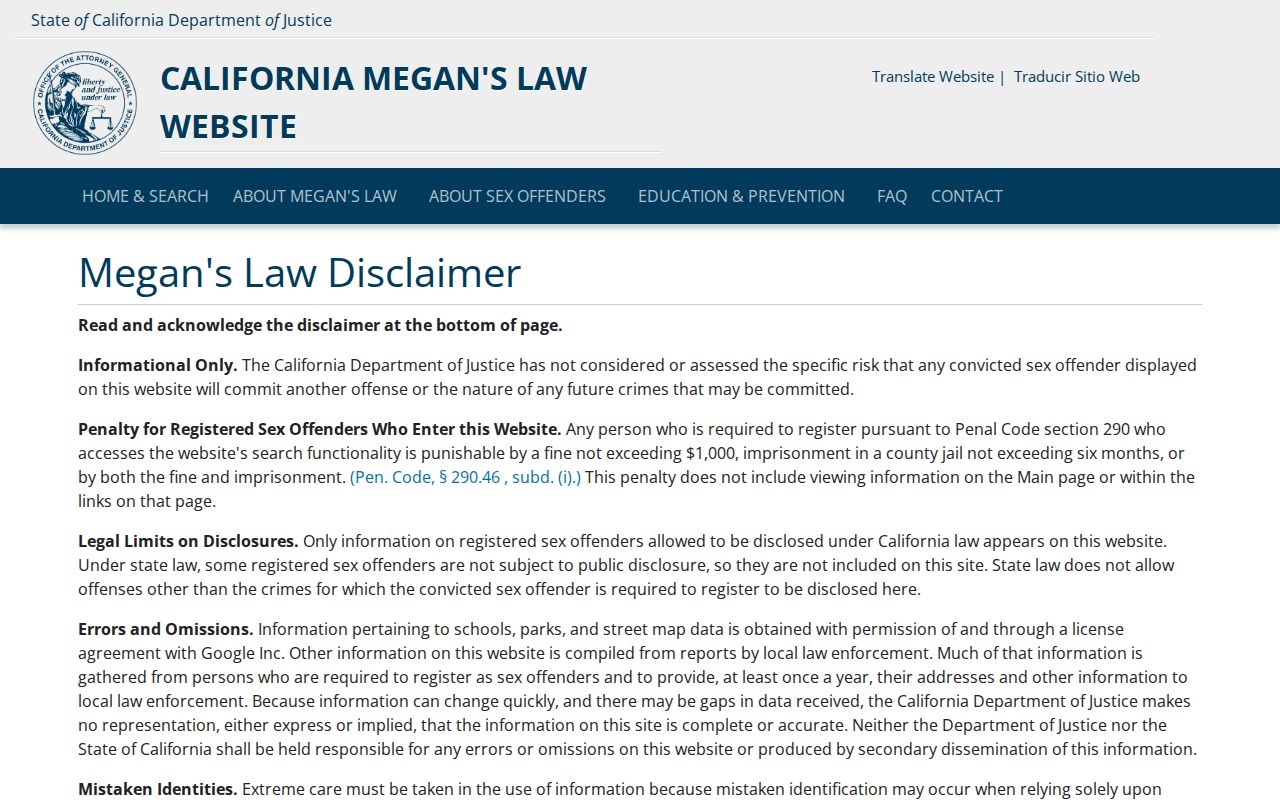
The result type is defined by statute and should not be expanded into a broader identity claim.
From Mokelumne to Lodi in the Index
Lodi’s record vocabulary changed with the place. The railroad settlement was called Mokelumne in 1869, the name changed to Lodi in 1874, and the city incorporated in 1906. Early deeds, newspapers, directories, maps, and family notes may use the earlier name or a rural route. Search both place names, then confirm the county, township, cross streets, parcel, and time period.
The 1887 Sacramento Street fire destroyed the commercial core. It does not mean county deeds disappeared in Stockton, but it can explain a rebuilt storefront, a changed business address, or a gap between a directory line and a later map. The museum’s Sanborn sheets, aerials, photographs, newspapers, and assessment books can help date the change. No official source located a single citywide street-renumbering year, so legal descriptions and cross streets are safer anchors than assumed number continuity.
Historical Lodi Resident Directories
The San Joaquin County Historical Museum at Micke Grove, physically in Lodi, holds city and county directory material spanning 1852 to 1980, along with county archives, Great Registers, assessment and plat books, maps, aerials, photographs, and Sanborn sheets. The span does not mean an annual Lodi volume exists for every year. Ask for the shelf or box list, and search the Lodi Public Library catalog for Lodi directory, Stockton and Lodi, San Joaquin County directory, Polk, telephone directory, and criss-cross.
The 1950 Stockton & Lodi City Directory is a useful example. Read the Lodi portion, not a same-name Stockton entry. An alphabetical listing can move from name to address. A street or criss-cross section can move from address to a listed occupant. Record the spouse or widow mark, occupation, residence, business address, abbreviation key, title, year, and page. A listing usually represents one adult or householder, not every resident. The full collection method and reading notes belong with the Lodi city directory collections.
For a historical Lodi residents directory search, pair the nearest directory year with a federal census schedule through 1950. The 1890 population schedules were largely destroyed, which is why Great Registers, assessment rolls, newspapers, and directories matter so much for that gap. The library and museum are complementary: one can identify published local sources, while the other can hold county and municipal series that never became a public web index.