
Lodi Neighbors: A Block Source Map
A Lodi block search needs a source map because each record answers one question. Lodi GIS shows parcel boundaries, nearby addresses, planning layers, and jurisdiction. County Assessor supplies owner and mailing clues by APN. County Recorder ties title parties to legal descriptions. Permits and code files add project names and dates. Historical directories and Great Registers add older household or voter context. Lodi community organizations may publish a contact, not a member list.
| Source | What It Shows About a Block | Access |
|---|---|---|
| Lodi GIS | Parcel boundaries, nearby addresses, planning layers, and mapped context | Free web viewer |
| San Joaquin Assessor | Assessed owner or assessee, parcel traits, values, and mailing lead | Property information and office research |
| San Joaquin Recorder | Title parties, instruments, legal descriptions, and prior transfers | Self-service portal, counter, and copy route |
| Permits and code files | Applicants, contractors, project descriptions, parcels, and dates | City department or public-records request |
| Historical directories | Listed adults by address or street in some editions | Museum and library research |
| Great Registers | Historical eligible voters and locality clues | Historical Museum holdings |
| Community organizations | Published officers or public contacts | Organization or city notices; memberships usually private |
The table is not a promise that every Lodi neighbor appears. An owner can live elsewhere, a listed adult may be missing, and a planning notice may name only a public contact. Start with geography, then verify names in the record type built for the claim.
Map Your Lodi Neighbors Parcel by Parcel
The adjacent-parcel method begins with one exact address. The Lodi GIS Property Viewer guide gives the control path: choose “I want to,” select “Find Address,” enter the street number and name, click search, open the result, and choose Layers. Use Planning for land-use context, then the county map for a wider view.
- Save the anchor address, parcel outline, APN, and cross streets from the map result.
- Zoom until individual boundaries are clear. Click parcels sharing a side or rear boundary, then check parcels across the street.
- Record each situs address and APN. Pan and measure only for geography; “near” does not establish a household connection.
- Verify each APN at the Assessor, keeping the assessed owner, mailing address, and map location in separate fields.
- When the question expands to a whole named street, use the Lodi street address directory for the broader address-keyed chain.
The map does not establish a relationship between adjacent households. A nearby parcel could be a corner lot, alley, public strip, church, business, or unincorporated lot. A boundary shows distance, not shared history.
Lodi Neighbor Records: Verify the Assessor
After the map, move one APN at a time to the Assessor. County property information emphasizes parcel and map access, while owner-name research is available through the county office. Assessor material can include assessed owner or assessee, values, parcel traits, maps, mailing address, use, and assessment year. It is ownership evidence, not a complete block list.
The Treasurer-Tax Collector is different. Its tax-bill search uses a fee parcel number, provides no owner information online, and warns that an unsecured bill may not be owed by the real-property owner. The Assessee Identification line is 209-468-2133, with tax@sjgov.org for questions. Assessor map copies can be requested by counter, mail, fax, or email for $3; a full parcel-map CD is listed at $60. The county tax instructions explain the limit.
- APN
- The county assessment key for a parcel. Preserve its exact format.
- Assessed owner
- The county ownership name, not a full household list.
- Mailing address
- The tax or assessment address, which may differ from the situs.
Lodi Neighbors and the Voter-File Myth
California's Check Your Registration Status service is self-record verification. A resident can check their own status, but the public cannot use it as a street-by-street block directory. State rules restrict full voter information to election, scholarly, journalistic, political, governmental, and qualifying record-review purposes. Personal use, harassment, transfer, and export are prohibited.
The county voter-file form requires an in-person or mail application, wet signature, current photo ID copy, a detailed purpose, and a security plan. It accepts up to 10 specific voters for a request; review takes 7-14 business days. The countywide file is $68, delivered as tab-delimited text through encrypted WinZip email or FTP, and the office provides no technical support. These rules make the voter file restricted, not a casual block list. The San Joaquin County voter-file form lists the controls.
The file can contain names, residential and mailing addresses, party, status, precinct, districts, and participation history, but driver's-license number, SSN, and signature are not released. Protected records are excluded. Great Registers are historical clues, not a current roster.
Lodi Neighbors in Historical Directories
For past households, use Lodi's Historical Museum 1852-1980 directory span, Great Registers, assessment and plat books, Sanborn maps, and 20,000 photographs. A street or criss-cross section may let a reader walk an address segment and intersecting streets. Lodi museum is at 11793 N. Micke Grove Road, with posted hours Thu-Sun 10-4 and an older closure notice. Call or email before travel.
Lodi Public Library's local-history collection is now public according to city budget material. Ask for exact directory years, telephone books, yearbooks, microfilmed newspapers, obituary access, vertical files, and licensed databases. Lodi library is at 201 W. Locust St., 209-333-5566; posted hours are Monday-Wednesday 10-6, Thursday noon-8, Friday closed, Saturday 10-5, and Sunday 10-2. Verify current hours. The Lodi library page starts its catalog and services search.
Great Registers identify eligible voters and locality in historical periods, so they can reconnect a missing household when the 1890 census schedules are unavailable. They omit nonvoters and protected people. A directory entry is a listed adult or householder, not every person who shared a parcel.
Lodi Community Groups Publish Contacts, Not Rosters
Community sources can add a human clue without becoming a resident roll. Planning notices, council materials, and public agendas may name an association officer or meeting contact. The Lodi Chamber member directory can identify business principals, but a business connection is not proof of a home address. Museum manuscripts preserve historic clubs, organizations, agriculture, and cultural-community material, yet countywide holdings are not a Lodi-only membership list.
| Community source | Possible lead | Boundary |
|---|---|---|
| Planning notices and public agendas | Association officers or meeting contacts | Only the published public role |
| Lodi Chamber member directory | Business principals and contact details | Not residence evidence |
| Museum manuscript collections | Historic club rosters, correspondence, newsletters, and photographs | Countywide scope and archive rules |
| Library yearbooks and newspapers | Classmates, civic ties, and former address clues | Edition and privacy limits vary |
| Religious registers | Older affiliation clues | Recent sacramental records may be restricted |
No authoritative citywide public neighborhood-association membership inventory was located. Do not infer or invent a roster. If a current contact matters, ask the organization or a city community liaison what public information it chooses to publish.
Lodi Neighbors: Official Rolls Versus Commercial Tools
Official and commercial sources behave differently. County and city records have a custodian, stated record type, and verification path. Commercial tools may combine stale public data, paid data, and user submissions. They can be a lead, but a fee, missing date, or merged name does not make proof.
| Source class | Strength | Common gap | Best lawful use |
|---|---|---|---|
| Official GIS and Assessor | Parcel, APN, assessment, and map context | Owner may not be occupant; mailing may differ | Map and verify a parcel |
| Recorder | Title parties and legal descriptions | No complete household roster | Trace title history |
| Directories and Great Registers | Past listed adults or eligible voters | Incomplete coverage and dates | Genealogy and local history |
| Commercial lookup category | Fast mixed-data lead | Stale, merged, or unclear source data | Verify with the official custodian |
The FTC fraud reporting channel is an official endpoint when a commercial contact or public-record mailer looks deceptive.
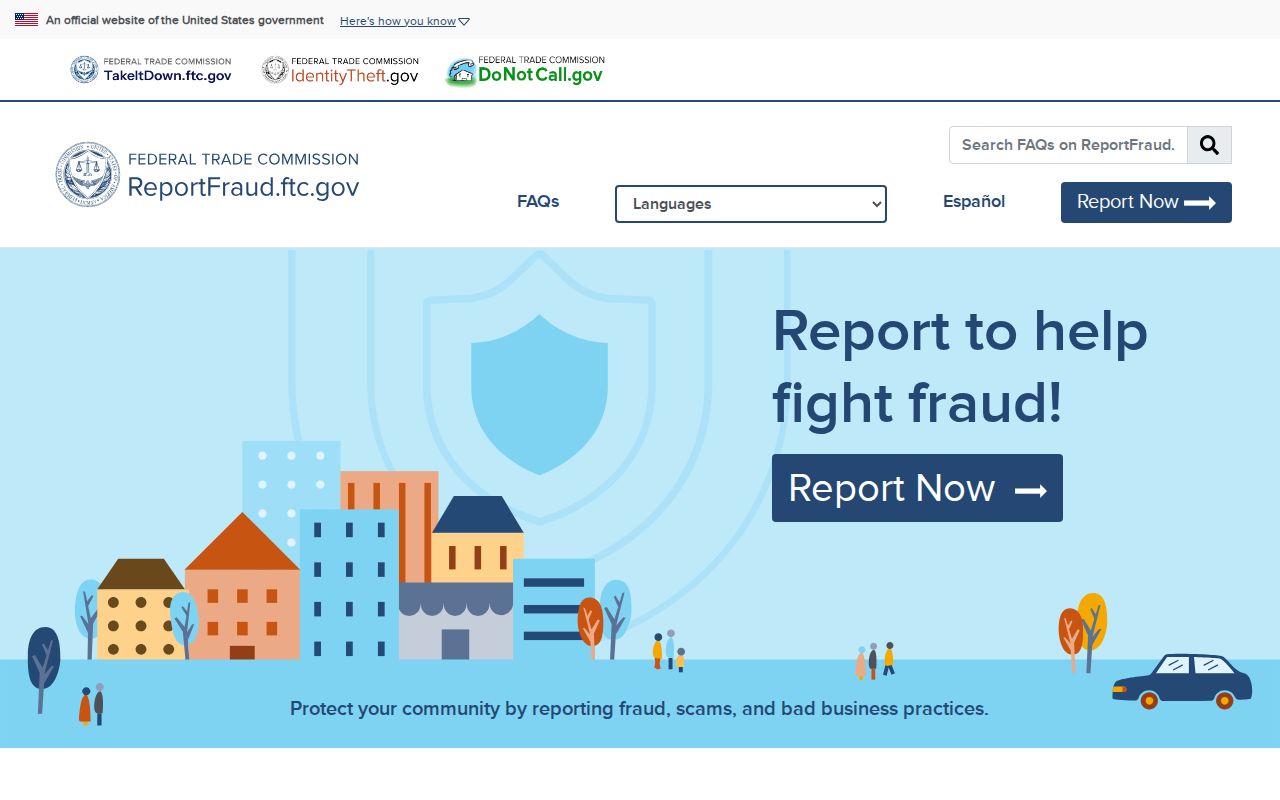
That channel helps address scams. It does not turn a complaint form into a Lodi neighbor search or confirm a person at an address.
Protected Lodi Neighbors Stay Outside the Map
Some Lodi households will never appear in an address trail. California's Safe at Home program can substitute an address for qualifying survivors, support confidential voter registration, and affect deed, name-change, and DMV records. It does not erase old web pages or every public record. Voter rules protect identifying fields, and recorded documents may use redaction or removal procedures. The Safe at Home information explains why a protected address may not match a map.
The federal Driver's Privacy Protection Act restricts DMV address data. Utility customer records and library borrowing data are not public resident directories. A person who shares a home but is not a title party may be absent from assessor and deed results. A trust, company, or mailing address can also point to a different person or place. These are expected gaps, not evidence of a vacant parcel.
Privacy is also a record-quality issue. A redacted instrument, a confidential voter record, or a substituted address may be exactly what the law requires. Treat the absence as an access boundary, not an invitation to assemble the missing detail from unrelated sources.
Lodi Neighbors: Public Contacts and Case Records
A public contact is not the same as a block roster. When a planning notice or community message points to a safety issue, use the agency's reporting path. The Lodi Police page supplies non-emergency and report guidance; it is not a lookup of private residents.
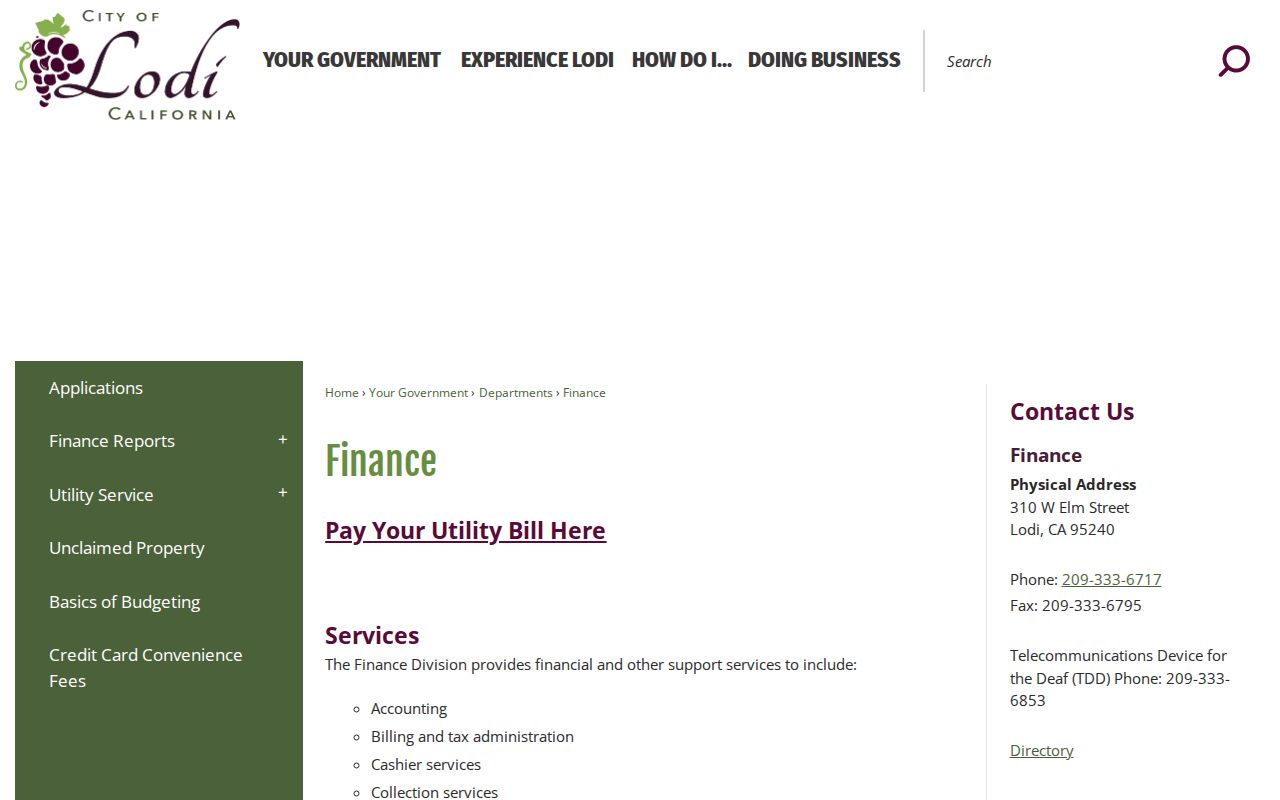
The image points to an official reporting route, not a list of nearby people.
Federal case research is a separate question. The PACER public federal court search can locate a party or case when the case itself matters, but it does not map a Lodi block or prove a person lived near it. The Eastern District of California supplies the federal court’s local jurisdiction and filing information.
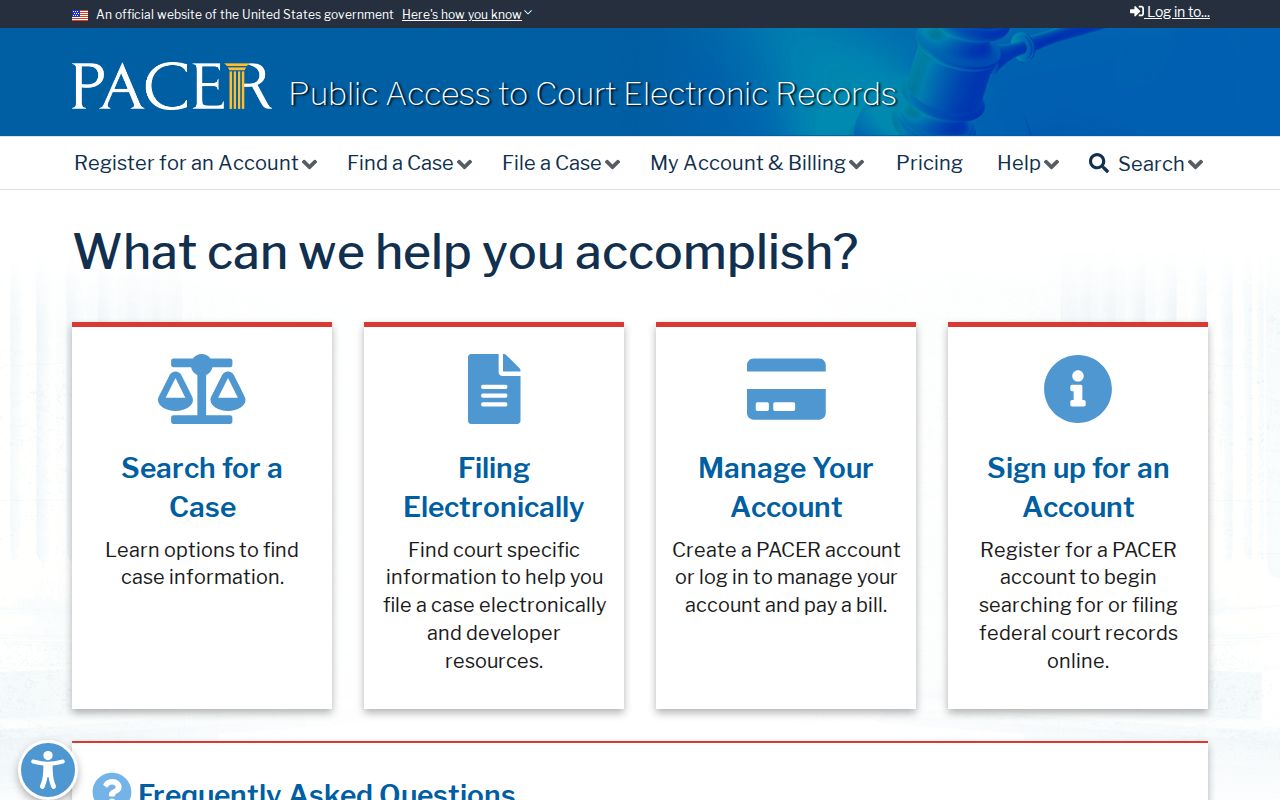
A federal docket may provide case context. It is not a census or block directory.
For a business or consumer complaint tied to a public contact, the California Attorney General consumer complaint channel provides an official reporting route.
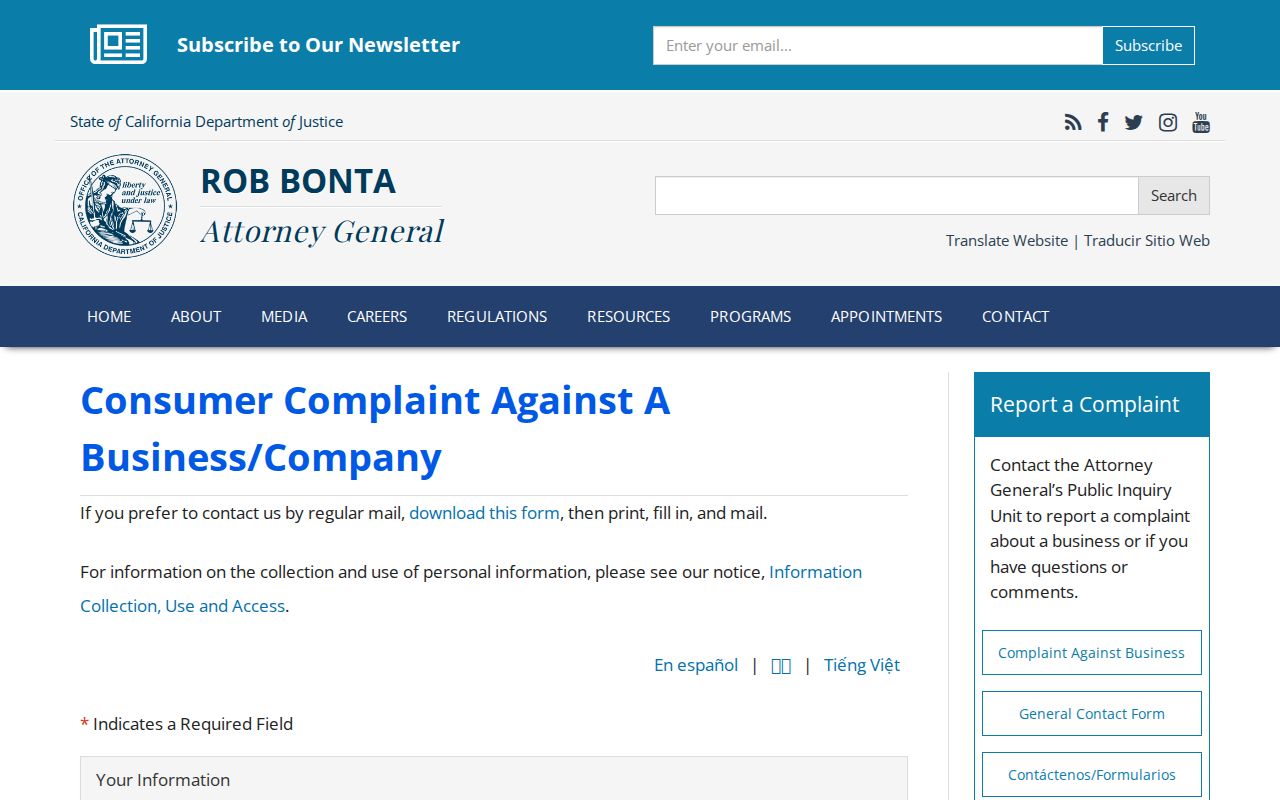
It is a reporting channel, not a member roster.
Privacy Limits on a Lodi Neighbor Lookup
A Lodi neighbor lookup can show a parcel relationship, a title interest, a dated directory entry, or a public contact. It cannot certify that every nearby person is known, that an owner occupies the parcel, or that adjacent addresses share a social connection. Verify each result with the custodian and keep the purpose personal, lawful, and narrow.
California Penal Code section 646.9 addresses stalking, and voter-information rules separately prohibit misuse and harassment. For personal safety, use official emergency or non-emergency channels rather than assembling a private list. For curiosity or reconnecting, stop when the record stops.
Lawful personal use. Lodi neighbor research may support block orientation, family history, civic questions, and personal safety awareness. Do not use records to stalk, harass, intimidate, or harm anyone.