
Inside the Lodi City Directory Shelf
Lodi’s strongest historical shelf is at the San Joaquin County Historical Museum in Micke Grove. The reported directory span reaches from 1852 through 1980, alongside county archives, maps, Great Registers, and municipal series. The table gives the verified collection map. It does not imply that every year has a Lodi volume or that each title is an annual issue.
| Collection | Years | Where Held | Access |
|---|---|---|---|
| City and county directories | 1852–1980 span | Gerald D. Kennedy Reference Library, Historical Museum | Contact for title and year list; onsite research |
| 1950 Stockton and Lodi volume | 1950 | Known digitized Golden Nugget Library example | Search or browse the digitized item |
| Lodi City Records | 1907–1962; bulk 1907–1943 | Museum holdings and OAC finding aid | Finding aid online; archive consultation |
| County official archives | 1850–1990 | San Joaquin County Historical Museum | Reference library and archive inquiry |
| Maps and aerial photographs | 1860–1990 | Museum map collection | Onsite address and place research |
| Great Registers | Historical county holdings | Museum archives | Reference request; eligible-voter context |
| Federal census schedules | 1850–1950 public releases | NARA, FamilySearch, and library databases | Online or library-assisted search |
| Sanborn fire-insurance maps | Years not enumerated on holdings page | Museum and Library of Congress | Archive comparison and digital browse |
Publisher names and exact annual runs need a shelf check. Ask for Lodi directory, Stockton and Lodi, San Joaquin County directory, Polk, R.L. Polk, telephone, and criss-cross references. A catalog gap is a prompt to ask the keeper, not evidence that the volume never existed.
Note: The museum’s 1852–1980 span is a collection range, not proof of an uninterrupted annual Lodi edition.
Lodi Directory Shelf at the Library
The Lodi Public Library at 201 W. Locust St. is a practical first call for local-history material. Its listed phone is 209-333-5566. Current posted hours are Monday through Wednesday 10–6, Thursday noon–8, Friday closed, Saturday 10–5, and Sunday 10–2. Verify before travel. City budget material reports that the local-history collection was opened to the public, but no official page enumerates every shelf year.
The Lodi Public Library collections page shows the library’s catalog and service route.
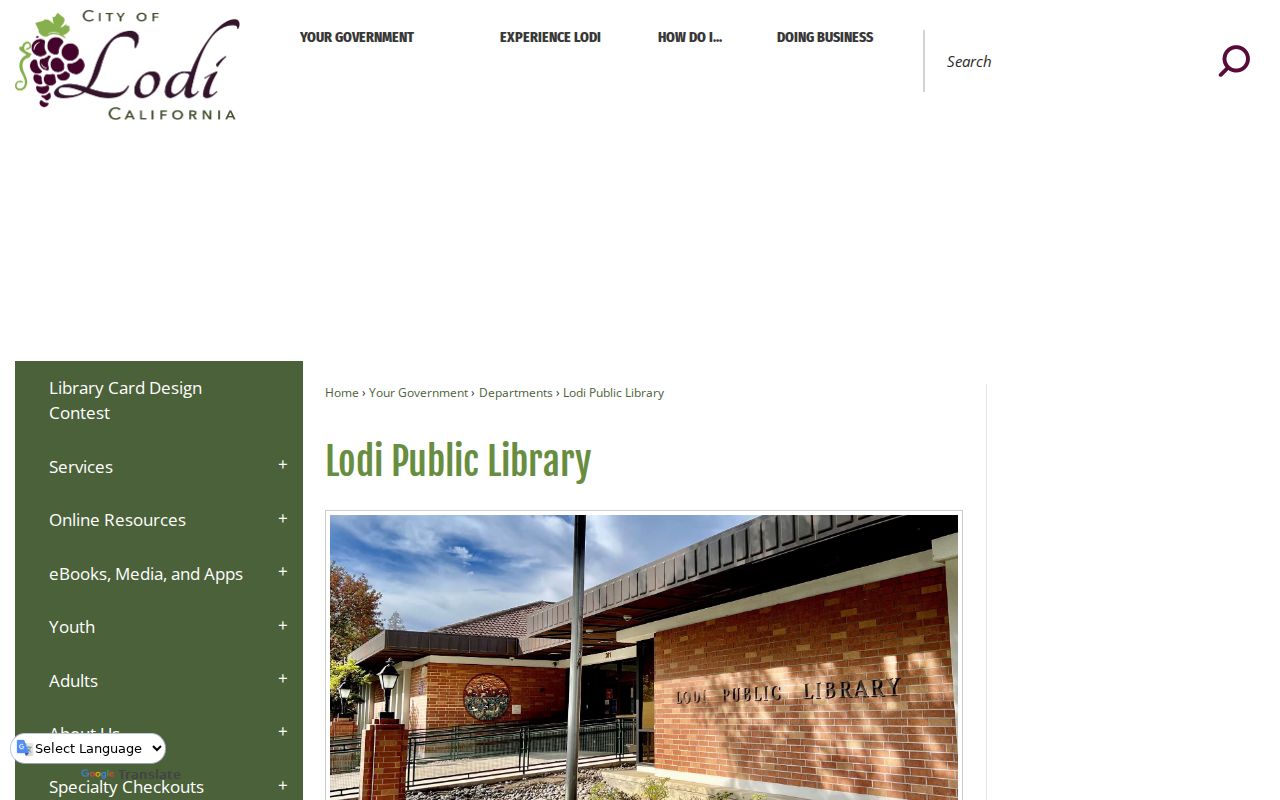
Ask a reference librarian for local-history directories, telephone books, school annuals, obituary and newspaper access, vertical files, and genealogy databases. A librarian can also tell whether a volume is open shelf, microfilmed, licensed, or held in an uncataloged local file.
The library began as an association in October 1885, became a free public library in 1908, and later occupied a Carnegie-funded building. That long local role helps explain why library staff can point to print sources that a general catalog search does not expose.
Micke Grove Lodi Directory Archives
The Gerald D. Kennedy Reference Library sits at 11793 N. Micke Grove Road in Lodi. The museum lists 209-331-2055 and info@sanjoaquinhistory.org for research contact, with posted Thursday–Sunday hours of 10–4. An older closure notice remains on the page, so confirm access before making the trip. The holdings include directories, official county records, assessment and plat books, Great Registers, photographs, maps, aerials, Sanborn sheets, and manuscript collections.
The Historical Museum archives page identifies the research collections and contact path.
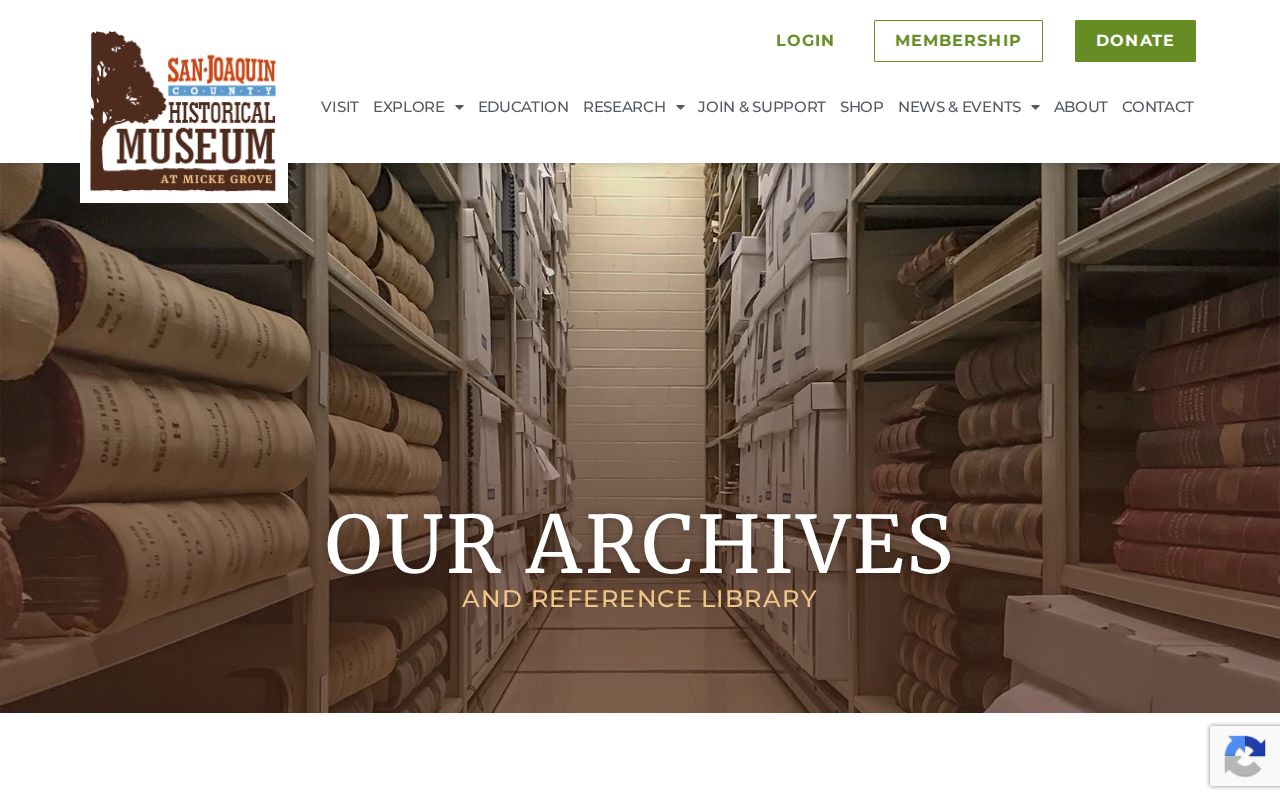
The archive image represents a finding route, not a promise of full online scans. Send a surname, address, and era before travel. Request the exact title, year, box or folder citation, rules, copying policy, and charges. OAC descriptions are collection-level finding aids; most records still require archive consultation.
For a Lodi city directory search, that advance contact matters. A combined Stockton and Lodi volume may place the same surname in the wrong city section, while a county series may use a rural route or community name that does not match a modern address.
Note: Confirm museum hours because the archives page retains an older closure notice alongside current posted hours.
Lodi Directory Companion Sources
The museum’s manuscript collections add social clubs, agriculture, manufacturing, logistics, and cultural-community material that printed directories may omit. The First Families of San Joaquin and Pioneer Registry collection is an explicit genealogy lead. Railroad, trolley, and Central California Traction histories can connect a name to a business, route, or place without pretending that the record is a resident roll.
Lodi’s agricultural history supplies another local clue. Flame Tokay promotion and the 1907 Tokay Carnival appear in the area’s historical story, while museum material includes countywide Chinese-language business records from 1879–1933. Countywide scope matters: a business, club, or cultural collection may mention Lodi without proving that every person in it lived inside the city.
Ask the library about alumni and yearbooks, Lodi News-Sentinel and predecessor newspaper archives, funeral-home obituary files, and licensed genealogy databases. Religious registers can predate civil registration, but recent sacramental records may have privacy limits. Verify newspaper and memorial clues against vital or probate records when the distinction matters.
1950 Stockton and Lodi Volume
The known 1950 Stockton and Lodi directory example is useful because it shows how a combined volume must be read. Start in the Lodi section rather than accepting the first same-name result from Stockton. Record the printed name, initial, spouse or widow notation, occupation or business affiliation, residence address, business address, and every publisher abbreviation.
Then turn from the alphabetical name section to the street or criss-cross section. The name section answers name to address. The street section answers address to a listed adult and may reveal nearby entries. The two sections can disagree when a person moved, used a business address, was missed by the canvass, or appeared under an initial or alternate surname.
A single entry is not a complete household list. It may represent a listed adult or householder, and absence can mean nonpublication, a recent arrival, no telephone, a rural route, or a missed canvass. Preserve the title, year, page, city section, and abbreviation key with every transcription.
Reading Lodi Directory Entries
A Lodi directory entry is compact, but its marks carry different kinds of evidence. Treat the entry as a dated publication statement, not as a current identity record. Compare the same name with the next available volume and with a census, deed, obituary, or other source before joining two entries.
| Name | Surname first, then given name or initial; spouse may appear in parentheses. |
|---|---|
| Occupation | Work or business affiliation, useful for separating people with the same name. |
| Residence | House number and street, with a publisher-specific residence or home mark. |
| Business address | A second location may identify the person’s shop or office rather than the residence. |
| Widow notation | A mark such as “wid Charles” can connect a household clue to a family event. |
- Criss-cross section
- The street-order half of a volume, used to move from an address to the listed entry.
- Householder index
- A name or address aid centered on the listed adult responsible for the entry.
- Abbreviation key
- The publisher’s guide to marks such as residence, business, employer, or widow notation.
Photograph or transcribe the abbreviation key first. “r,” “emp,” “h,” and similar marks can vary by title and year, so a symbol from one directory should not be carried into another without checking.
Lodi City Records 1907 to 1962
The Lodi municipal record collection begins in 1907, one year after incorporation, and runs through 1962, with a bulk from 1907–1943. It contains minutes, ordinances, administrative records, correspondence, and material useful for named officials, municipal property, public works, and civic projects. It is not a comprehensive resident roll, but it can explain why an address, street label, or public project appears in a directory or map.
The OAC finding aid for Lodi City Records supplies the collection-level description.
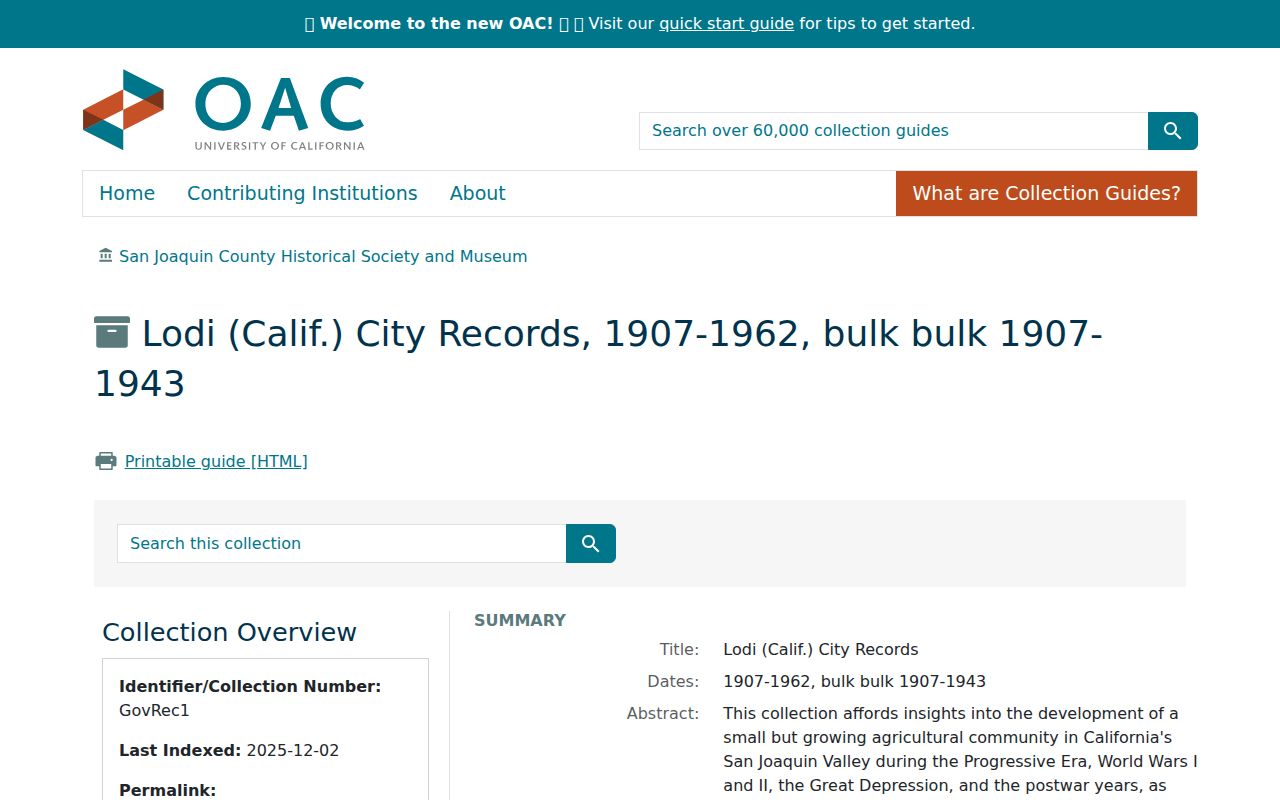
The finding aid is a route to the archive, not a complete digital copy. Use the series title and date range when asking the museum for a box or folder. For newer administrative records, the Lodi City Clerk’s public-records and CPRA channel accepts an identifiable record request, online submission, email, arranged inspection, and mailed or electronic copies.
That split keeps historical and current work in the right custody. Museum files can explain an old project. City records can supply a later agenda, notice, or permit trail. Neither creates a directory of every person who lived near the project.
Lodi Directory Gap and Great Registers
Great Registers are the strongest Lodi-specific bridge for the missing 1890 federal population schedules. The museum holds historical voter registers that can identify eligible voters and a residence or locality in an earlier era. The California State Archives catalog and digital resources can add a state-held finding route, but confirm the series and access conditions before relying on it. These registers omit nonvoters and protected or confidential people, so they are a selective civic record, not a full population count.
Federal census schedules are publicly available through 1950 under the 72-year rule. The 1960 release is due in 2032. Pair the closest census household with the nearest directory year, then use the Great Register when the decade gap or 1890 loss leaves a blank.
- Write down the directory name, address, occupation, spouse notation, title, year, and page.
- Search the nearest census by surname, enumeration district, nearby names, and household relationship.
- Use the Great Register, assessment roll, newspaper, or map to test whether the same address and locality persisted.
This pairing can reconnect a historical Lodi household without pretending that one source captured everyone. Initials, married names, and rural-route labels deserve the same care as a modern APN.
Note: Great Registers can bridge the 1890 census loss, but they still omit eligible nonvoters and protected people.
Lodi Sanborn Maps After the Fire
Sanborn fire-insurance maps help explain what a directory address meant on the ground. Compare the building footprint, construction material, use, outbuildings, street labels, and nearby lots with the printed street section. The museum holds Lodi sheets, and the Library of Congress Sanborn map collection supplies a digitized public-domain comparison route.
- 1850: San Joaquin County forms, and the museum’s official county archive sequence begins.
- 1851: Recorder research begins, giving deed work an unusually early county starting point.
- 1852–1980: The museum reports the area-directory collection span, with exact Lodi editions requiring verification.
- 1869 and 1874: The railroad settlement called Mokelumne becomes known as Lodi after the place-name change.
- 1887: The Sacramento Street fire destroys the downtown commercial core and makes rebuilding evidence important.
- 1906 and 1907: Lodi incorporates, then the described municipal record collection begins.
The official Lodi Library history page provides local institutional context for the city’s records story.
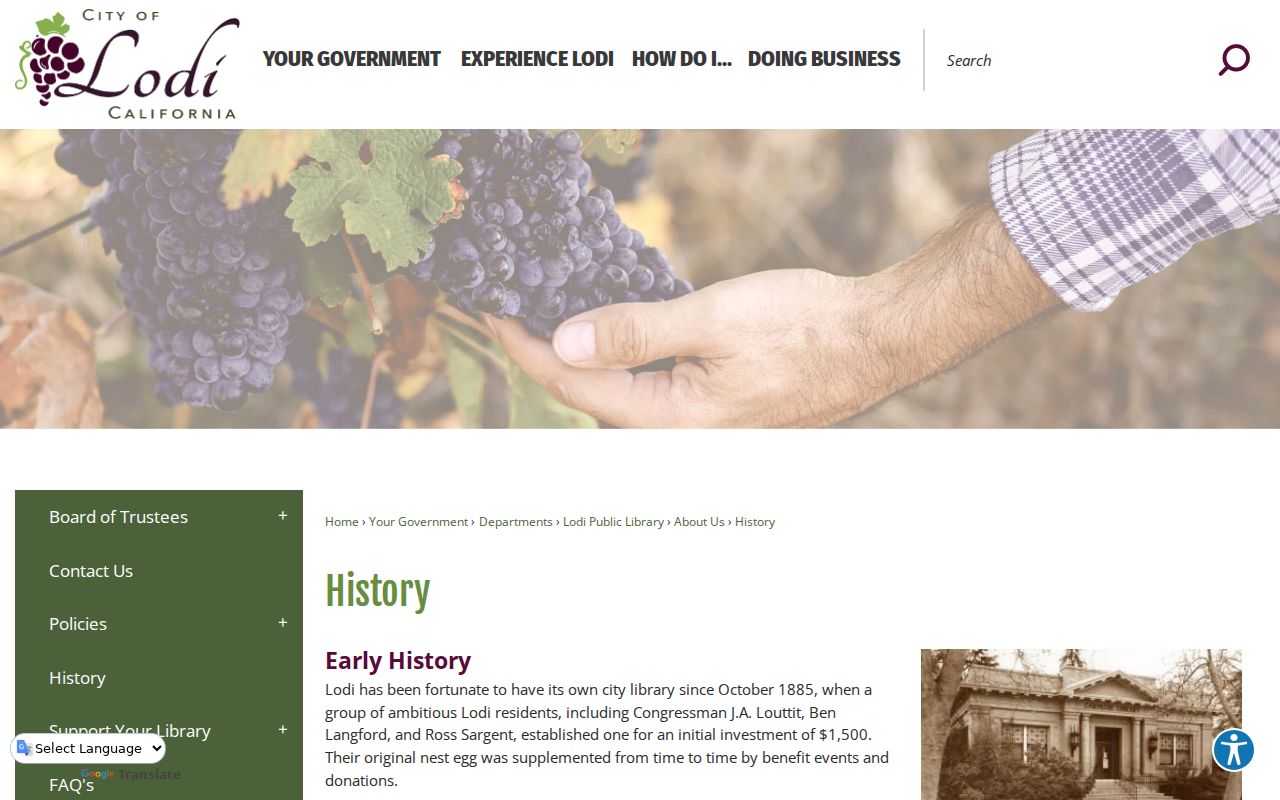
The 1887 Sacramento Street fire destroyed the downtown commercial core. Rebuilding can create a break between a directory entry, a map footprint, and a later street view. Search the earlier place name Mokelumne, used for the railroad settlement in 1869, as well as Lodi after the 1874 renaming and the incorporated city after 1906.
No official source verified one citywide numbered-address renumbering year. Use cross streets, maps, legal descriptions, and later APNs to test continuity instead of silently treating every old number as a modern one.
Trace Lodi City Directories
Tracing a household across Lodi volumes works best as a dated sequence. The aim is to preserve each printed clue and show where the evidence changes, not to turn a gap into a fact. Pair directory years with census years and use the street section to test a move.
- Find the first plausible name entry and record the exact spelling, initial, address, occupation, spouse mark, title, year, and page.
- Search the next available volume, including married or birth surnames, alternate initials, and the Lodi section of a combined title.
- Flip to the street or criss-cross section to compare nearby listed adults and detect a number or cross-street change.
- Pair each directory decade with the nearest census through 1950, using enumeration districts and household relationships as checks.
- Close a disappearance with newspapers, obituary material, probate, maps, or a deed, while keeping each source’s limits visible.
A name can disappear because the person moved, died, used a different name, lacked a listing, or fell outside the edition’s coverage. For a present-day parcel-to-owner chain, use the Lodi street directory by address instead of stretching a historical entry beyond its year.